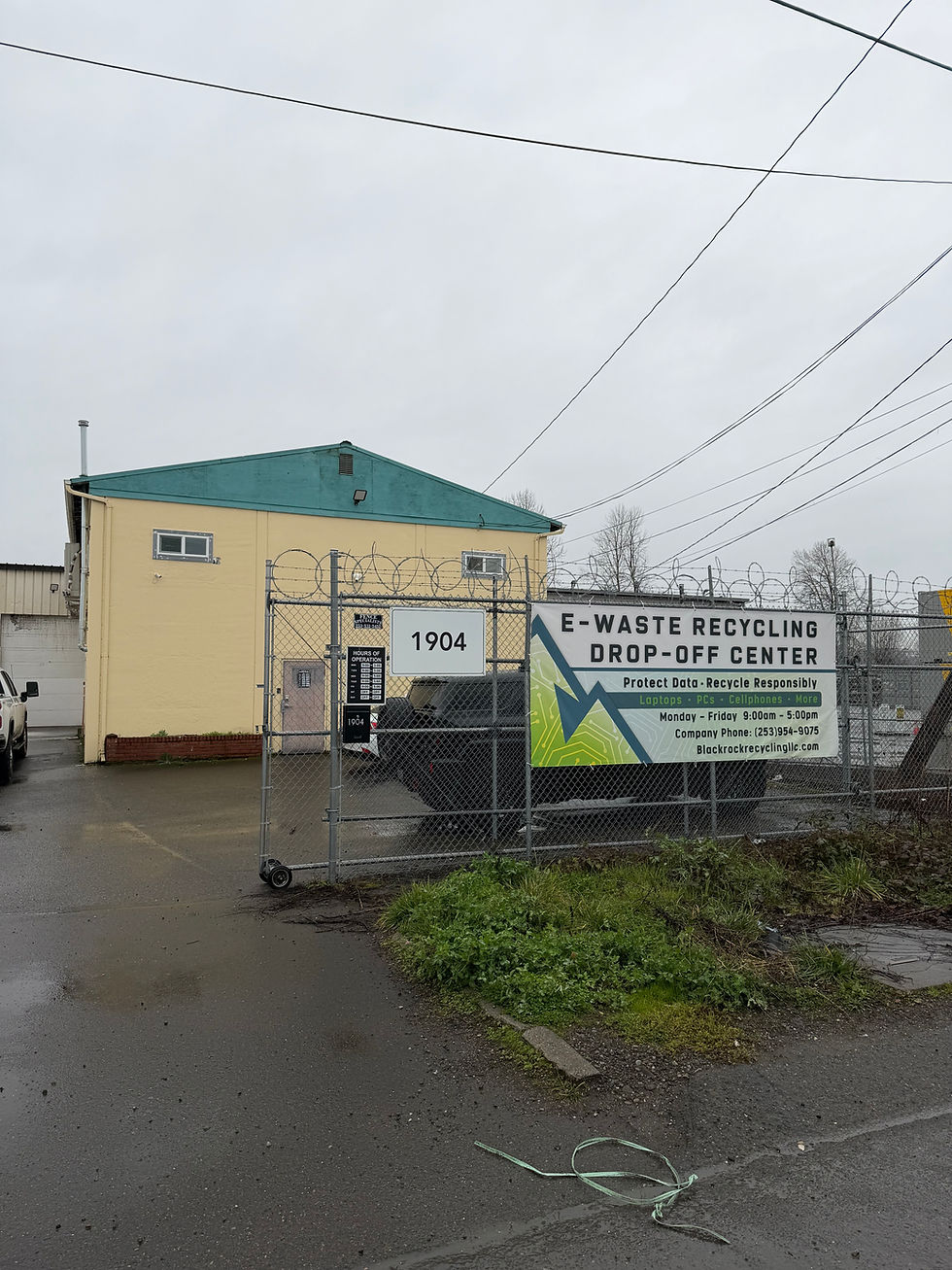
Electronic Waste Disposal Risks for Data Privacy and Environmental Health
Updated: Jan 19
Throwing away old electronics might seem like a simple way to clear clutter, but it hides serious risks for both your personal data and the environment. Many people do not realize how much sensitive information remains on discarded devices or how harmful electronic waste can be when not handled properly. This post explores why tossing electronics in the trash is dangerous and what steps you can take to protect your privacy and the planet. Electronic waste disposal risks affect both data privacy and environmental health when devices are thrown away without proper handling.

Electronic Waste Disposal Risks to Data Privacy
Many electronic devices store a surprising amount of personal information. Smartphones, laptops, tablets, and even some smart home gadgets contain photos, emails, passwords, and financial details. When these devices are thrown away without proper data removal, this information can be accessed by anyone who retrieves the device.
Data recovery is easier than you think
Even if you delete files or reset a device, specialized software can often recover deleted data. Hard drives and memory chips retain traces of information unless they are securely wiped or physically destroyed.
Identity theft and fraud
Criminals can extract personal data from discarded electronics to commit identity theft, open fraudulent accounts, or access your online services. This risk extends beyond individuals to businesses that dispose of devices without proper data protection.
Examples of data breaches from e-waste
In 2019, a study found that over 40% of used hard drives sold online still contained sensitive data. Cases have emerged where thieves recovered credit card information and private emails from discarded devices.
To protect your data, always use certified data wiping tools or seek professional services before disposing of electronics. Physically destroying storage components is another effective method.
Environmental Impact of Electronic Waste
Electronic waste, or e-waste, is one of the fastest-growing waste streams worldwide. Throwing electronics in the trash leads to serious environmental problems.
Toxic materials in electronics
Devices contain hazardous substances like lead, mercury, cadmium, and brominated flame retardants. When e-waste ends up in landfills, these toxins can leach into soil and groundwater, contaminating ecosystems and posing health risks to humans and wildlife.
Resource loss
Electronics also contain valuable metals such as gold, silver, copper, and rare earth elements. When devices are discarded improperly, these materials are lost instead of being recovered and reused.
Global e-waste crisis
According to the Global E-waste Monitor 2023, the world generated 57.5 million metric tons of e-waste in 2022, with only 17.4% properly recycled. Much of the rest ends up in landfills or informal recycling operations, often in developing countries where workers face unsafe conditions.

How to Dispose of Electronics Safely
Proper disposal of electronics protects your data and reduces environmental harm. Here are practical steps to follow:
Back up important data
Before wiping or recycling, back up any files you want to keep on a secure drive or cloud service.
Use data wiping software
Tools like DBAN or built-in factory reset options can securely erase data. For extra security, consider physical destruction of hard drives.
Recycle through certified programs
Look for e-waste recycling programs certified by organizations such as R2 or e-Stewards. These programs ensure responsible handling and recovery of materials.
Donate or sell working devices
If your electronics still work, donating or selling them extends their life and reduces waste.
Check local regulations
Many regions have laws requiring proper e-waste disposal. Find local drop-off points or collection events to comply with these rules.
The Role of Consumers and Communities
Everyone has a part to play in reducing the dangers of electronic waste. Consumers can make informed choices by:
Choosing devices with longer lifespans
Repairing instead of replacing when possible
Supporting companies with take-back or recycling programs
Communities can organize collection drives and educate residents about safe disposal methods. Schools and workplaces can also promote secure data deletion and recycling initiatives.
Taking these steps helps protect personal privacy and reduces the environmental footprint of discarded electronics.