What We Accept: Electronic Waste Recycling Guide
Updated: Nov 24, 2025
Electronic waste, or e-waste, is one of the fastest-growing waste streams worldwide. Every year, millions of tons of old, broken, or unwanted electronics pile up in landfills or clutter homes. These devices contain valuable materials but also hazardous substances that can harm the environment if not handled properly. Recycling e-waste helps recover precious metals, reduces pollution, and conserves natural resources.
This guide explains what types of electronic waste are accepted for recycling, how the process works, and why responsible recycling matters. Whether you want to clear out your old gadgets or start a recycling program, this post will help you understand what to bring and what to expect.
What Counts as Electronic Waste
Electronic waste includes any device with electrical components that is no longer wanted or functional. Common examples are:
Old computers and laptops
Mobile phones and tablets
Televisions and monitors
Printers and scanners
Audio and video equipment
Small household appliances like toasters or coffee makers
Cables, chargers, and accessories
Some items may seem small or insignificant but still qualify as e-waste because they contain metals and plastics that can be recycled.
Items We Accept for Recycling
Recycling centers and e-waste buyers usually accept a wide range of electronics. Here are the most common categories:
Computers and Accessories
Desktop computers (towers, keyboards, mice)
Laptops and notebooks
Computer monitors (LCD, LED, CRT)
External hard drives and USB drives
Printers, scanners, and fax machines
Mobile Devices
Smartphones
Tablets and e-readers
Smartwatches and fitness trackers
Chargers and cables
Home Entertainment Electronics
Televisions (flat screens, CRTs)
DVD and Blu-ray players
Stereo systems and speakers
Game consoles and controllers
Small Appliances and Gadgets
Microwaves
Toasters and blenders
Electric shavers and hair dryers
Digital cameras and camcorders
Other Electronics
Batteries (rechargeable and single-use)
Power tools
Networking equipment (routers, modems)
What We Do Not Buy or Accept
Not all electronics are accepted everywhere. Some items may require special handling or disposal:
Large appliances like refrigerators, washing machines, and air conditioners (often handled by separate programs)
Hazardous materials like fluorescent bulbs or mercury-containing devices
Items that are broken beyond repair and cannot be safely recycled
Non-electronic items such as regular household waste or furniture
Always check with your local recycling center or e-waste buyer for specific guidelines.

How Electronic Waste Recycling Works
Recycling e-waste involves several steps to safely extract valuable materials and dispose of harmful substances.
Collection and Sorting
E-waste is collected from drop-off points, businesses, or curbside programs. Workers sort items by type and condition. Functional devices may be refurbished and resold, while broken ones move to dismantling.
Dismantling
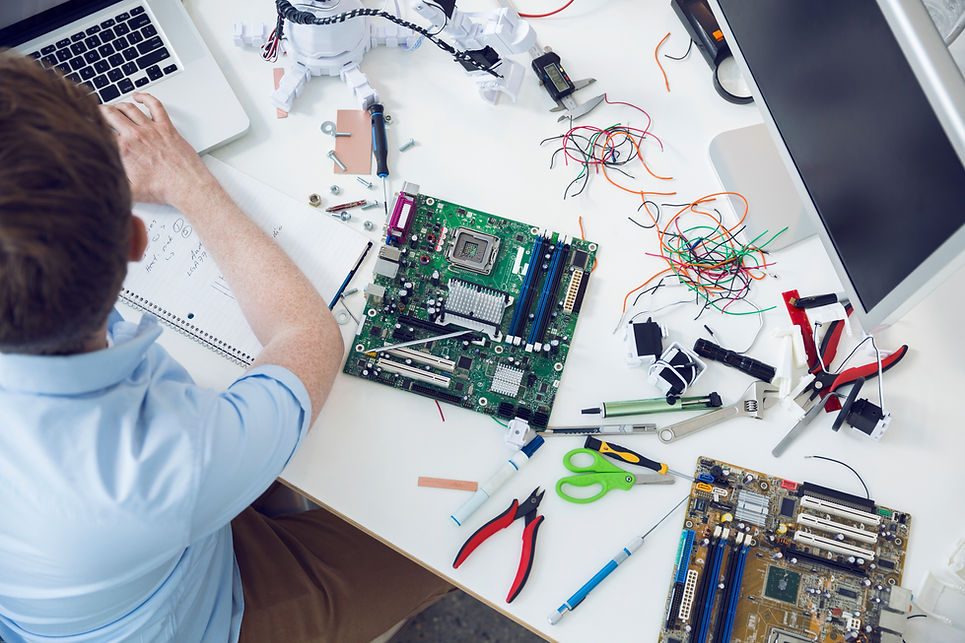
Technicians carefully take apart devices to separate components like circuit boards, batteries, plastics, and metals. This step prevents hazardous materials from mixing with recyclables.
Material Recovery
Metals: Precious metals like gold, silver, and copper are extracted from circuit boards and wires.
Plastics: Plastics are cleaned and processed for reuse in manufacturing.
Glass: Screens and monitors contain glass that can be recycled.
Hazardous waste: Batteries and mercury-containing parts are handled separately to avoid environmental damage.
Processing and Manufacturing
Recovered materials are sent to manufacturers to create new products. This reduces the need for mining raw materials and lowers energy consumption.
Why Recycling Electronic Waste Matters
Protecting the Environment
E-waste contains toxic substances such as lead, mercury, and cadmium. If dumped in landfills, these chemicals can leak into soil and water, harming wildlife and human health.
Conserving Resources
Electronics contain valuable metals that are limited in supply. Recycling recovers these materials, reducing the need for mining and preserving natural resources.
Reducing Greenhouse Gas Emissions
Manufacturing electronics from recycled materials uses less energy than producing them from raw materials. This helps lower carbon emissions and fight climate change.
Supporting the Circular Economy
Recycling promotes a circular economy where products and materials are reused instead of discarded. This creates jobs and encourages sustainable consumption.
How to Prepare Your Electronics for Recycling
Before recycling your devices, take these steps to protect your data and make the process smoother:
Back up important files to an external drive or cloud storage.
Delete personal information by performing a factory reset or using data-wiping software.
Remove batteries if possible, as they often require separate recycling.
Unplug accessories like memory cards, SIM cards, and cables.
Check local guidelines for any special preparation or drop-off instructions.
Where to Recycle Electronic Waste
You can recycle e-waste through various channels:
Local recycling centers often accept a wide range of electronics.
Retail stores sometimes offer take-back programs for specific brands or products.
Municipal collection events provide convenient drop-off points.
Certified e-waste recyclers ensure responsible processing and data security.
Look for recyclers certified by organizations such as R2 or e-Stewards to guarantee environmentally sound practices.
Tips for Responsible Electronic Waste Disposal
Avoid throwing electronics in the trash.
Donate working devices to schools, charities, or community groups.
Use manufacturer or retailer take-back programs when available.
Stay informed about local e-waste laws and regulations.
Spread awareness about the importance of e-waste recycling.
Electronic waste recycling is a practical way to reduce environmental harm and recover valuable materials. By knowing what items are accepted and how to prepare them, you can make a positive impact. Start gathering your old electronics today and find a trusted recycling program near you. Your efforts help protect the planet and conserve resources for future generations.