Top Benefits of Electronic Recycling Services
Updated: Nov 24, 2025
Electronic waste, or e-waste, is one of the fastest-growing waste streams worldwide. Every year, millions of tons of discarded electronics such as smartphones, computers, and televisions end up in landfills. This creates serious environmental and health risks due to toxic materials inside these devices. Electronic recycling services offer a practical solution to this problem by safely handling and processing e-waste. This post explores the key benefits of using electronic recycling services and why they matter for individuals, businesses, and the planet.

Protecting the Environment from Harmful Waste
Electronic devices contain hazardous substances like lead, mercury, cadmium, and brominated flame retardants. When e-waste is dumped in landfills or incinerated, these toxins can leach into soil and water or release harmful gases into the air. This pollution damages ecosystems and poses health risks to nearby communities.
Electronic recycling services ensure that these materials are properly extracted and disposed of or reused. By diverting e-waste from landfills, recycling reduces soil contamination and water pollution. It also prevents toxic chemicals from entering the food chain, protecting wildlife and human health.
For example, recycling one million laptops can save up to 17,000 pounds of lead, 1,000 pounds of mercury, and 2,500 pounds of cadmium from polluting the environment. This shows how recycling electronics can make a significant difference in reducing hazardous waste.
Conserving Natural Resources and Energy
Many components inside electronic devices contain valuable metals such as gold, silver, copper, and palladium. Mining these metals requires large amounts of energy and causes environmental damage. Electronic recycling recovers these precious materials, reducing the need for new mining.
Recycling metals from e-waste uses far less energy compared to extracting them from ores. For instance, recycling aluminum saves up to 95% of the energy needed to produce it from raw materials. This energy saving also translates into fewer greenhouse gas emissions.
By reusing metals and plastics from old electronics, recycling services help conserve natural resources and reduce the environmental footprint of manufacturing new devices. This supports a more sustainable and circular economy where materials stay in use longer.
Reducing Landfill Waste and Space
Landfills are rapidly filling up with electronic waste, which takes up valuable space and creates long-term environmental problems. Electronics do not decompose easily and often contain non-biodegradable plastics and metals.
Electronic recycling services reduce the volume of waste sent to landfills by diverting e-waste for processing. This helps extend the lifespan of existing landfill sites and reduces the need to create new ones. It also lowers the risk of landfill fires and toxic runoff caused by improperly disposed electronics.
For example, in the United States, only about 20% of e-waste is recycled, while the rest ends up in landfills. Increasing recycling rates can significantly reduce landfill pressure and improve waste management.
Protecting Personal Data and Privacy
Many electronic devices store sensitive personal or business information. Simply throwing away old computers, smartphones, or hard drives can expose this data to theft or misuse.
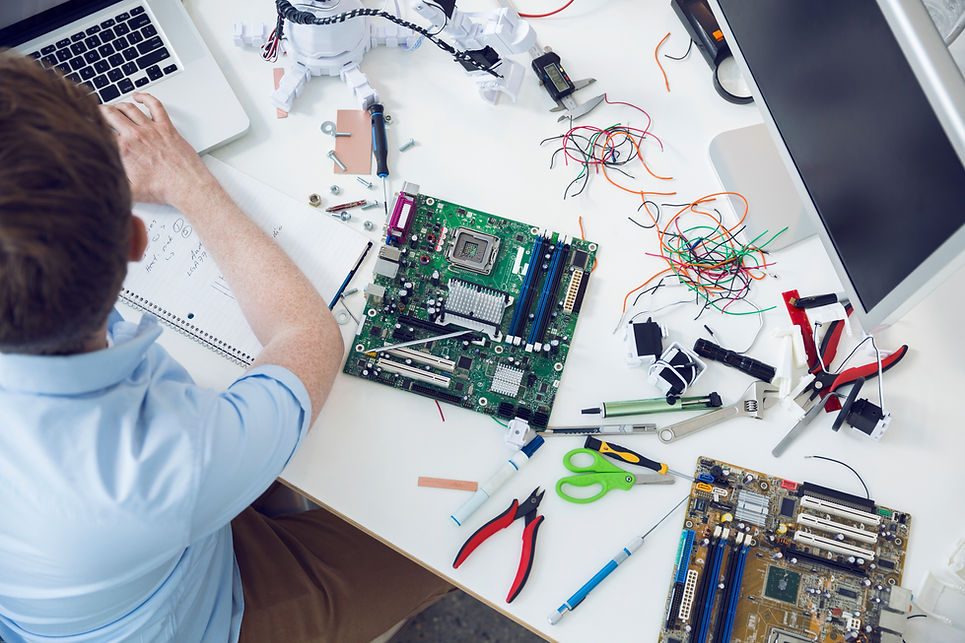
Professional electronic recycling services include secure data destruction as part of their process. They use methods such as data wiping, degaussing, or physical destruction to ensure all information is completely erased before recycling.
This protects individuals and organizations from identity theft, data breaches, and legal liabilities. It also provides peace of mind that confidential information will not fall into the wrong hands.
Supporting Economic Growth and Job Creation
Electronic recycling is a growing industry that creates jobs in collection, transportation, sorting, dismantling, and material recovery. These jobs often require technical skills and provide opportunities in local communities.
Recycling also supports manufacturers by supplying recycled materials at lower costs compared to virgin resources. This can reduce production expenses and encourage companies to design products with recycling in mind.
In the United States alone, the electronics recycling industry employs tens of thousands of workers and generates billions of dollars in economic activity. Expanding recycling programs can further boost job growth and economic benefits.
Encouraging Responsible Consumer Behavior
Using electronic recycling services promotes awareness about the environmental impact of e-waste. It encourages consumers and businesses to think carefully about how they dispose of old electronics.
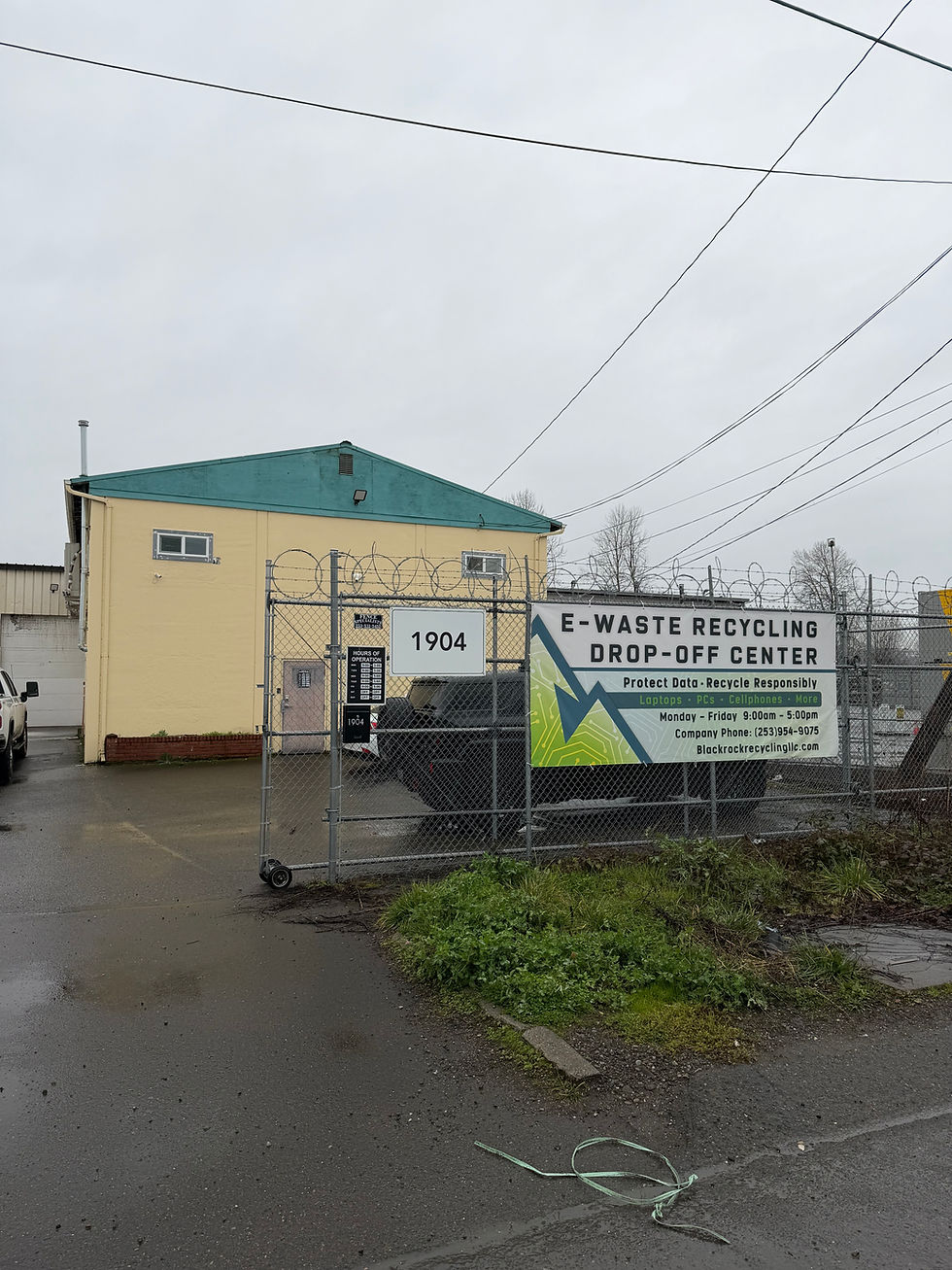
Many recycling programs offer convenient drop-off locations, mail-in options, or pickup services, making it easier for people to recycle responsibly. Some also provide incentives such as discounts or trade-in credits for recycling devices.
This helps build a culture of sustainability where people prioritize reuse, repair, and recycling over disposal. It also pressures manufacturers to improve product design for easier recycling and longer lifespans.
Examples of Electronic Recycling in Action
Municipal e-waste collection events: Cities often organize free collection days where residents can drop off old electronics for recycling safely.
Retail take-back programs: Many electronics retailers accept used devices for recycling when customers purchase new products.
Corporate recycling partnerships: Businesses partner with certified recyclers to manage their e-waste and ensure compliance with environmental regulations.
Nonprofit refurbishing: Some organizations collect donated electronics, repair them, and provide them to underserved communities, extending device life and reducing waste.
These examples show how electronic recycling services operate across different sectors and benefit society in multiple ways.
How to Choose a Reliable Electronic Recycling Service
Not all recycling services handle e-waste responsibly. Some may export hazardous waste to developing countries or improperly dispose of materials. To ensure your e-waste is recycled safely:
Look for certifications such as R2 (Responsible Recycling) or e-Stewards, which set high environmental and social standards.
Check if the recycler provides secure data destruction and transparent reporting.
Ask about their processes for handling hazardous materials and recovering valuable resources.
Read reviews or get recommendations from trusted sources.
Choosing a reputable service maximizes the environmental and social benefits of recycling your electronics.
Electronic recycling services play a crucial role in managing the growing problem of e-waste. They protect the environment, conserve resources, reduce landfill waste, safeguard personal data, support the economy, and encourage responsible behavior. By using these services, individuals and organizations can make a positive impact and help build a more sustainable future.
If you have old electronics sitting unused, consider finding a certified electronic recycling service near you. Taking this step helps keep hazardous waste out of the environment and recovers valuable materials for new products. Together, we can reduce the harmful effects of e-waste and promote a cleaner, healthier planet.